Benjamin Netanyahu and Wife Sara Cast Votes as Israel Holds Crucial Election
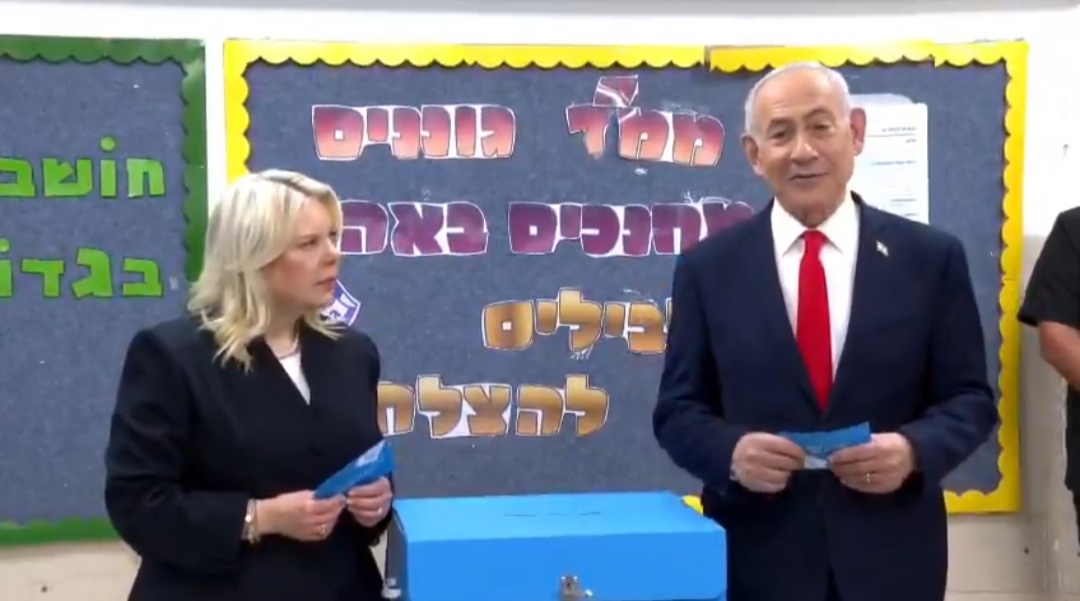
Israeli Prime Minister Benjamin Netanyahu and his wife, Sara Netanyahu, cast their votes in Israel's parliamentary election on October 27, 2026, drawing international attention to a crucial political contest. The election is being closely watched because its outcome could shape Israel's leadership, security policies and political direction. Netanyahu urged eligible citizens to participate in the democratic process as voters headed to polling stations across the country.
Netanyahu's participation in the voting process comes amid intense political debate over his government's record, national security and its handling of the aftermath of the October 7, 2023, Hamas-led attacks. The subsequent war in Gaza has remained a central issue in Israeli politics, alongside questions about the country's security arrangements, military strategy and relations with international partners.
The election will determine the composition of Israel's parliament, known as the Knesset. Under Israel's parliamentary system, voters elect political parties rather than directly choosing the prime minister. The party or group of parties capable of securing the support of a parliamentary majority can form a government, making coalition negotiations a crucial part of the process.
Netanyahu, a longstanding figure in Israeli politics, faces scrutiny over his administration's decisions and the country's security situation. His political future depends on the electoral performance of his party and its potential coalition partners. Opposition parties have also sought public support by raising questions about the government's policies, accountability and approach to national challenges.
Security remains a major concern for Israeli voters following the October 7 attacks and the conflict that followed. The war in Gaza, the situation involving Israeli hostages, regional tensions and the broader threat of further confrontation have featured prominently in political discussions. Economic pressures and disagreements over government policy have also contributed to the wider election debate.
Netanyahu and his wife's appearance at the polling station attracted attention as voting got underway. However, casting a ballot does not indicate an election victory, and the participation of political leaders in voting is a routine part of the democratic process. The final political picture will depend on the official results, the distribution of parliamentary seats and negotiations among parties seeking to form a governing coalition.
The election represents an important moment for Israel as voters assess the country's leadership and future direction amid continuing security and political challenges. The results will help determine whether Netanyahu can maintain the parliamentary support needed to remain prime minister or whether rival political groups can assemble an alternative government. The outcome and subsequent coalition negotiations will be key developments to watch as the electoral process concludes.