Cyclone Arnab Impact: Strong Winds and Heavy Rain Hit Amalapuram in Andhra Pradesh
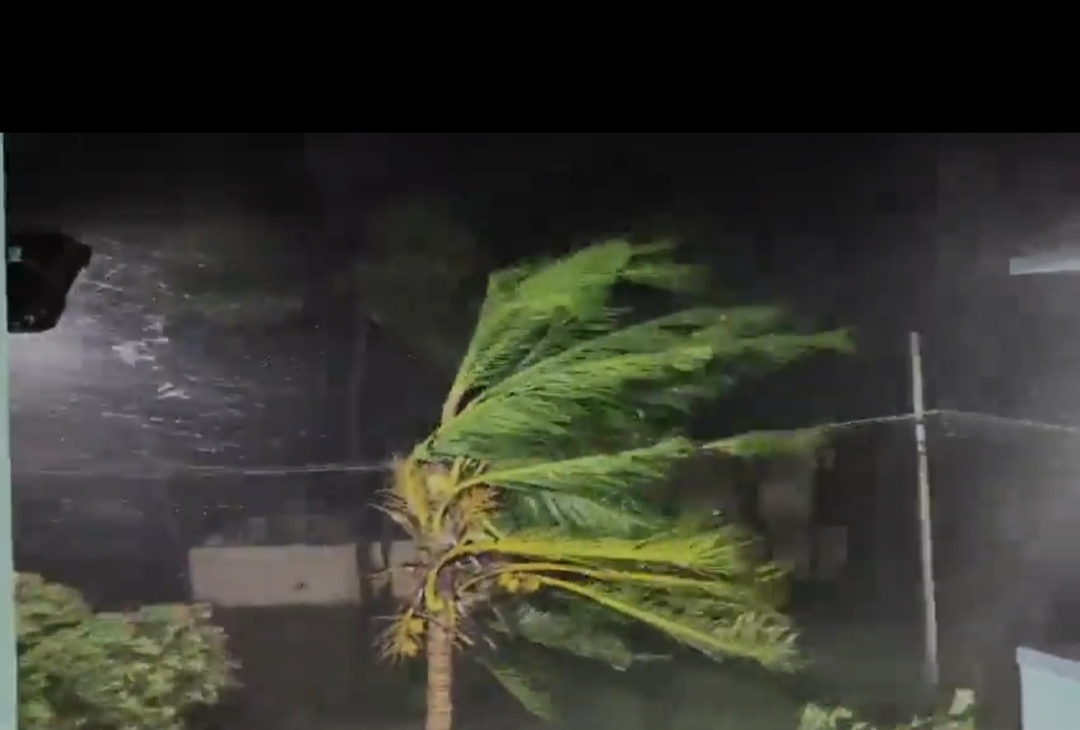
Strong winds and heavy rainfall were reported in Amalapuram, in Andhra Pradesh's Dr. B. R. Ambedkar Konaseema district, amid the reported impact of Cyclone Arnab on October 27, 2026. The adverse weather conditions drew attention to the potential risks facing coastal communities as the weather system moved across the Bay of Bengal towards the eastern coastline of India.
Amalapuram is located in the coastal region of Andhra Pradesh, an area that can experience intense rainfall and strong winds during cyclonic weather. The reported conditions highlighted the need for residents to remain alert to changing weather patterns and follow official advisories. However, the precise wind speeds and rainfall measurements recorded in Amalapuram require confirmation from local meteorological reports.
Cyclonic systems can produce powerful winds, heavy precipitation and rough sea conditions, depending on their intensity and movement. When such systems approach land, their effects can extend across multiple districts, potentially disrupting road transport, fishing activities and other daily routines. Coastal communities are particularly vulnerable when strong winds coincide with heavy rainfall and rising water levels.
The India Meteorological Department monitors cyclonic systems over the Bay of Bengal and issues forecasts covering wind speeds, rainfall and expected movement. Its bulletins help local administrations prepare for possible flooding, damage to infrastructure and other weather-related hazards. Residents in affected districts are advised to monitor official updates rather than rely solely on videos or unverified social media reports.
Heavy rainfall can create waterlogging in low-lying areas and reduce visibility on roads, while strong winds may damage trees, power lines and temporary structures. The severity of these impacts depends on local conditions and the duration of the storm. At the time of the reported incident, the extent of any damage or injuries in Amalapuram had not been independently established.
Authorities generally advise residents to avoid unnecessary travel during severe weather, stay away from exposed coastal areas and follow instructions issued by local officials. Fishermen and people involved in maritime activities should pay particular attention to warnings about dangerous sea conditions. These precautions can help reduce risks when a cyclone approaches or affects coastal districts.
The reported weather conditions in Amalapuram formed part of wider concerns about the impact of the Bay of Bengal weather system on Andhra Pradesh's coastline. However, the cyclone's official designation, exact intensity, projected landfall and local effects should be verified against the latest India Meteorological Department bulletins before being presented as confirmed facts.
The incident underscores the importance of timely weather information and preparedness in cyclone-prone regions. As heavy rain and strong winds threaten coastal communities, residents should remain informed through official forecasts and follow safety instructions. Further assessments from local authorities and meteorological agencies would be needed to establish the full extent of Cyclone Arnab's reported impact on Amalapuram and neighbouring areas.