Israel Election Leaves Netanyahu’s Political Future Uncertain
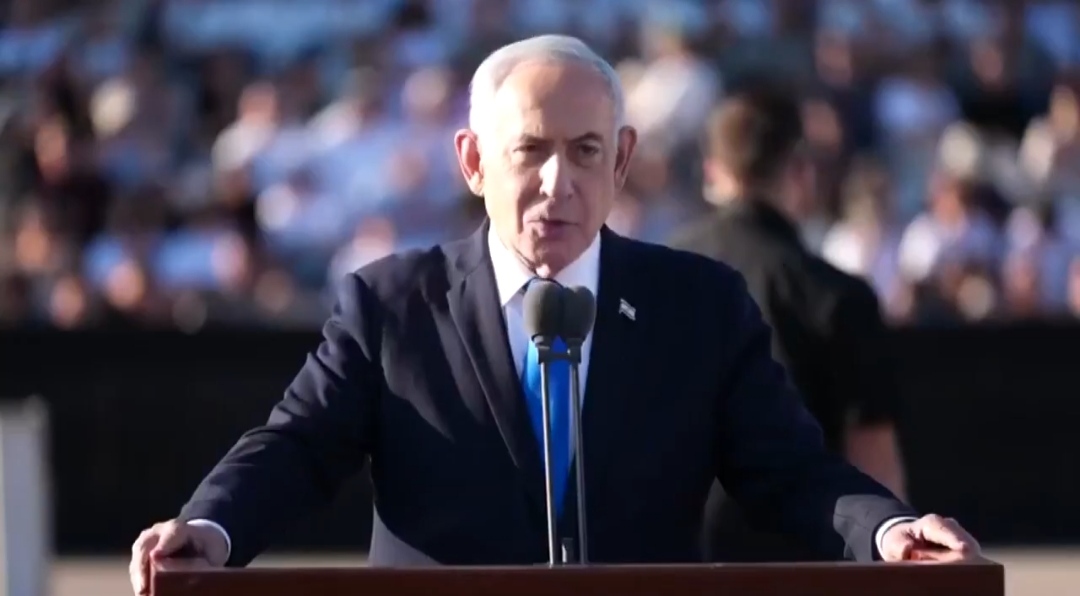
1. What Is the Latest News on Israel’s Election?
Israel’s October 27, 2026, general election has left Prime Minister Benjamin Netanyahu facing an uncertain political future. Exit polls indicate that neither Netanyahu’s political bloc nor the opposition has secured a clear majority in the 120-seat Knesset, Israel’s parliament. Although Netanyahu’s Likud party reportedly emerged as the largest individual party, early projections suggest that forming the next government could be difficult. The figures are based on exit polls, and the final outcome depends on the official results.
2. Who Is Netanyahu’s Main Political Challenger?
Netanyahu’s leading challenger is Gadi Eisenkot, a former chief of the Israel Defense Forces who leads the centrist Yashar party. Eisenkot and other opposition figures campaigned amid public debate over national security, the government’s handling of the October 7, 2023, Hamas attacks, and the wars that followed. Exit-poll projections indicate that the opposition may have an opportunity to challenge Netanyahu’s leadership, but it does not yet have a guaranteed path to a parliamentary majority.
3. Why Has Netanyahu’s Political Future Become Uncertain?
Netanyahu’s political position has been shaped by security concerns, prolonged regional conflict and demands for accountability following the Hamas-led attacks of October 7, 2023. Critics have questioned his government’s handling of the security failures preceding the attacks and have called for an independent investigation. His supporters, meanwhile, have highlighted his leadership during wartime and his approach to threats facing Israel. The election results suggest that voters remain divided over his leadership and the country’s future direction.
4. How Many Seats Are Needed to Form Israel’s Government?
Israel’s Knesset has 120 seats, and a government generally needs the support of at least 61 lawmakers to command a parliamentary majority. Exit-poll projections reported after the election placed Netanyahu’s bloc and the opposition short of that threshold. This means that neither side can be certain of forming a government without support from additional parties or a new political arrangement. The final distribution of seats will determine which coalition possibilities remain available.
5. Could Smaller Parties Decide Who Becomes Prime Minister?
Yes. Smaller political parties could play a decisive role because neither major bloc appears to have secured enough seats on its own, according to exit polls. Arab-led parties may become particularly important during coalition negotiations, although their potential role is politically contentious and Netanyahu has rejected forming a government dependent on their support. Party leaders will need to assess whether agreements can be reached across significant ideological differences. The negotiations could take days or weeks, depending on the official results and the positions of individual parties.
6. What Happens to Netanyahu if He Cannot Form a Government?
Netanyahu could remain prime minister in a caretaker capacity while political parties negotiate to form a new government. If no viable coalition emerges, Israel could face a prolonged political deadlock and the possibility of another election. However, exit polls alone do not determine who will ultimately lead the country. The outcome will depend on the official seat count, the decisions of party leaders and whether either side can assemble sufficient parliamentary support.
7. What Could Israel’s Election Mean for the Middle East?
The election outcome could influence Israel’s domestic security policies, relations with neighbouring countries and approach to ongoing regional conflicts. A government led by Netanyahu would likely continue to reflect the priorities of his existing political alliance, while a government formed by opposition parties could bring different policy positions and coalition compromises. However, the exact direction of future policy remains uncertain until a government is formed and its priorities become clearer. For now, the election has opened a new period of political negotiations, with Netanyahu’s leadership still in question and no confirmed winner in the race to form a government.