Saudi Oil Refinery Attack Claim Sends Oil Prices Higher Amid Middle East Tensions
1. What Happened at Saudi Arabia’s Oil Refinery?
Oil prices climbed on October 28, 2026, after Yemen’s Iran-aligned Houthi movement claimed it had struck Saudi Arabia’s Ras Tanura oil refinery with a ballistic missile. The claim renewed concerns about possible disruptions to Middle Eastern energy supplies at a time of heightened regional tensions. However, Saudi authorities had not immediately confirmed the reported refinery strike, and the claim could not be independently verified.
2. Where Is the Ras Tanura Oil Refinery Located?
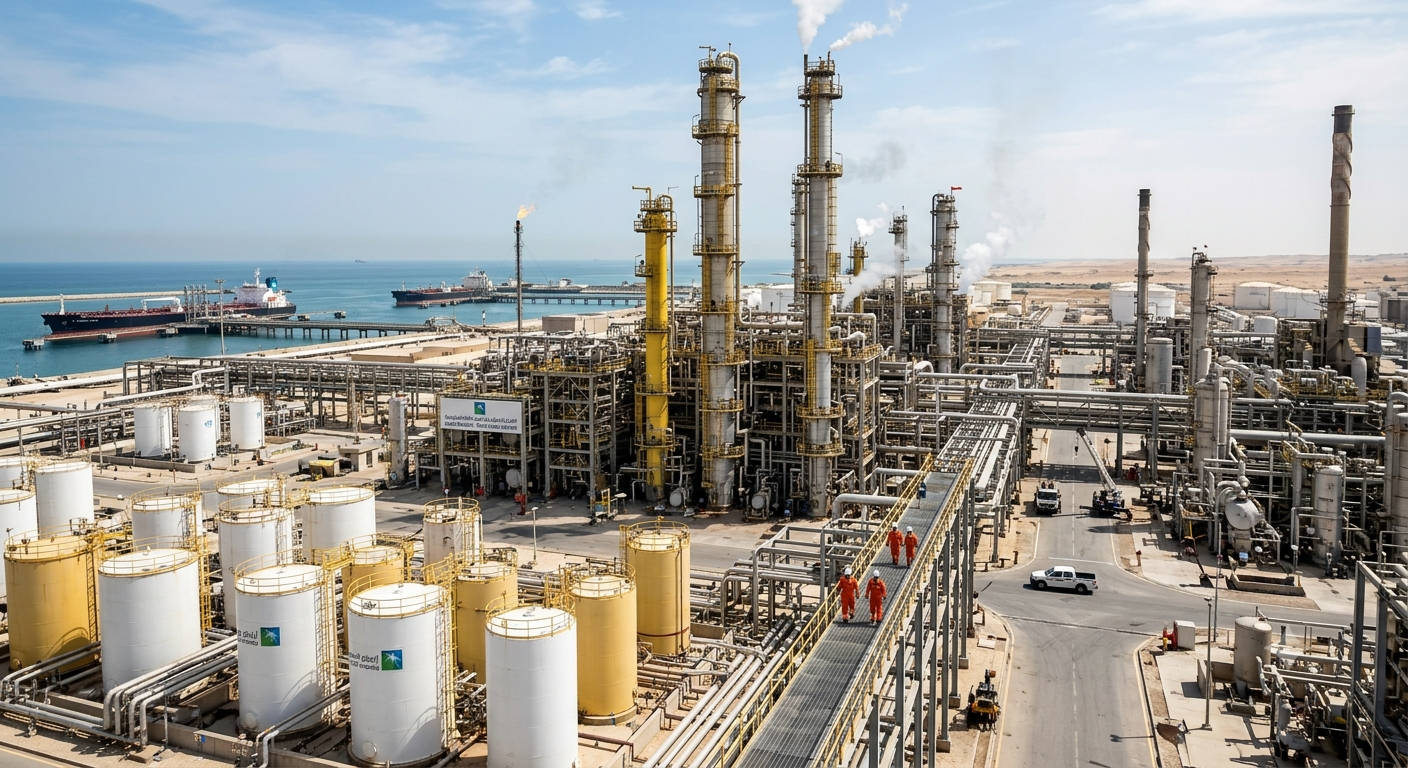
The Ras Tanura refinery is located on Saudi Arabia’s Gulf coast and is one of the kingdom’s major oil-processing facilities. The complex also includes an important oil export terminal. With a reported processing capacity of approximately 550,000 barrels per day, the facility plays a significant role in Saudi Arabia’s energy infrastructure. Any confirmed damage or prolonged operational disruption could raise concerns among global oil traders.
3. How Much Did Oil Prices Increase?
International crude oil prices rose following the Houthi announcement. Brent crude futures increased by $1.48, or approximately 1.3%, to $115.36 per barrel, while US West Texas Intermediate (WTI) crude gained $1.22, or around 1.22%, to $101.12 per barrel in early trading on October 28. These figures reflect prices reported at a specific point during the trading session and may change as market conditions develop.
4. Why Did the Attack Claim Affect Global Oil Markets?
Oil markets are sensitive to threats against major production, refining and export facilities, particularly in the Middle East. Traders assess whether an incident could reduce available supplies, interrupt shipments or increase transportation risks. Even an unconfirmed attack claim can influence prices when markets are already concerned about regional conflict. In this case, the reported strike added to uncertainty surrounding the security of Saudi energy infrastructure and the wider oil supply chain.
5. What Is the Role of the Houthis in the Conflict?
The Houthis are an armed movement based in Yemen that is aligned with Iran. The group has claimed responsibility for attacks targeting Saudi Arabia as regional hostilities have intensified. On October 27, the Houthis said they had launched a missile attack on the Ras Tanura refinery and claimed it caused a fire. Saudi Arabia did not immediately confirm the refinery strike. Separately, Saudi authorities said their air defences intercepted missiles targeting Riyadh and the eastern region, according to the Associated Press.
6. Could Rising Crude Oil Prices Affect India?
India imports a substantial share of the crude oil it consumes, making international oil prices an important factor for its economy. A sustained increase in crude prices can raise the cost of imports and put pressure on inflation, transportation and manufacturing expenses. However, a rise in international crude prices does not automatically lead to an immediate increase in petrol and diesel prices at Indian fuel stations. The domestic impact depends on several factors, including exchange rates, taxes, refining costs and fuel-pricing decisions.
7. What Happens Next in the Global Oil Market?
Traders will monitor official statements from Saudi authorities, developments at the Ras Tanura complex and any evidence of disruption to oil exports. Market participants are also watching US crude inventory data and decisions by the OPEC+ group of oil-producing countries regarding output targets. The direction of prices will depend on whether the reported incident leads to an actual supply interruption or whether concerns ease as more information becomes available.