Spain Train Collision Kills at Least 10, Several Injured in Crash
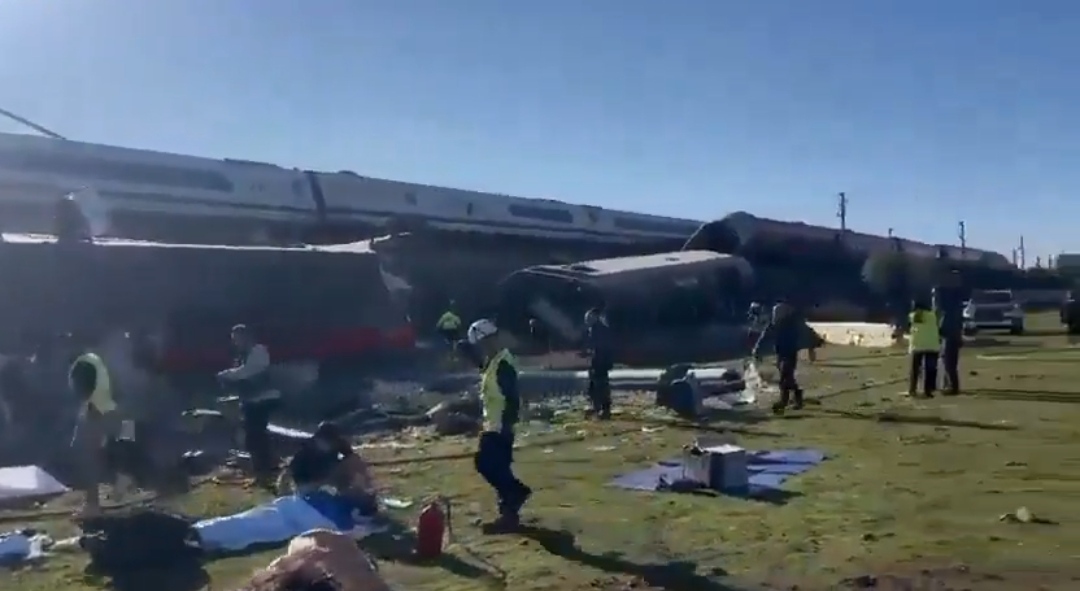
A major railway accident in central Spain has killed at least 10 people after two high-speed passenger trains collided on Wednesday, October 28, 2026. The crash occurred near Urda in Toledo province, prompting an emergency response and the suspension of high-speed rail services connecting Madrid with southern Spain. Regional authorities confirmed the initial death toll and warned that the number of fatalities could increase as rescue operations continued.
What Happened in the Spain Train Accident?
The collision occurred at approximately 8:54 a.m. local time near the railway station at Urda, along the Madrid–Seville high-speed railway corridor. Initial reports said a Renfe-operated AVE train collided with an Iryo train. The impact caused carriages to leave the tracks, with two reportedly falling down an embankment. Emergency services rushed to the scene to assist passengers and assess the extent of the damage.
How Many People Have Died or Been Injured?
Authorities initially confirmed at least 10 deaths, while several passengers were reported injured. Esther Padilla, a spokesperson for the Castilla-La Mancha regional government, said the death toll was expected to rise. At the time of the initial reports, the full number and severity of injuries had not been established. Claims circulating about 30 deaths should therefore not be presented as confirmed without a newer official update.
Which Trains Were Involved in the Collision?
The accident involved two passenger trains operated by Spain's state-owned Renfe and private rail company Iryo. Reports indicated that both were travelling towards Seville from Madrid, with one train striking the rear of the other while it was stopped. Officials had not established why the collision occurred. Investigators will need to examine the trains, signalling systems and operational circumstances before determining the cause.
What Rescue Operations Are Underway?
Emergency teams, including firefighters, civil protection personnel and medical units, were dispatched to the accident site. Reports from regional emergency services said several medical helicopters and intensive-care units were involved in the response. Authorities and nearby communities also prepared facilities to accommodate affected passengers. Rescue workers were focused on assisting the injured, checking the damaged carriages and determining whether additional passengers required help.
Which Railway Services Have Been Suspended?
Spain's railway infrastructure manager, Adif, suspended high-speed services along the Madrid–Andalusia corridor following the collision. The disruption affected connections involving Madrid, Ciudad Real and destinations in southern Spain. The suspension was necessary to allow emergency teams to work safely and railway authorities to assess the affected section. Passengers travelling on the route were advised to check service updates and alternative arrangements through official railway channels.
What Is Known About the Cause of the Crash?
The cause of the collision remained undetermined in the initial reports. Authorities had not announced a final explanation for why one train struck the other. Investigators are expected to examine operational records, signalling information and other evidence to establish the sequence of events. Until the investigation provides findings, attributing the accident to speeding, equipment failure or human error would be premature.
The accident has renewed attention on railway safety in Spain, which experienced another deadly high-speed rail disaster earlier in 2026. However, the circumstances of the two incidents have not been established as connected. The immediate priority remains assisting victims, identifying those affected and determining how the collision occurred. The confirmed death toll and injury figures may change as authorities release further information, making official updates essential for accurate reporting.