Trump Says ‘I Didn’t Endorse Him’ After Flávio Bolsonaro Loses Brazil Election
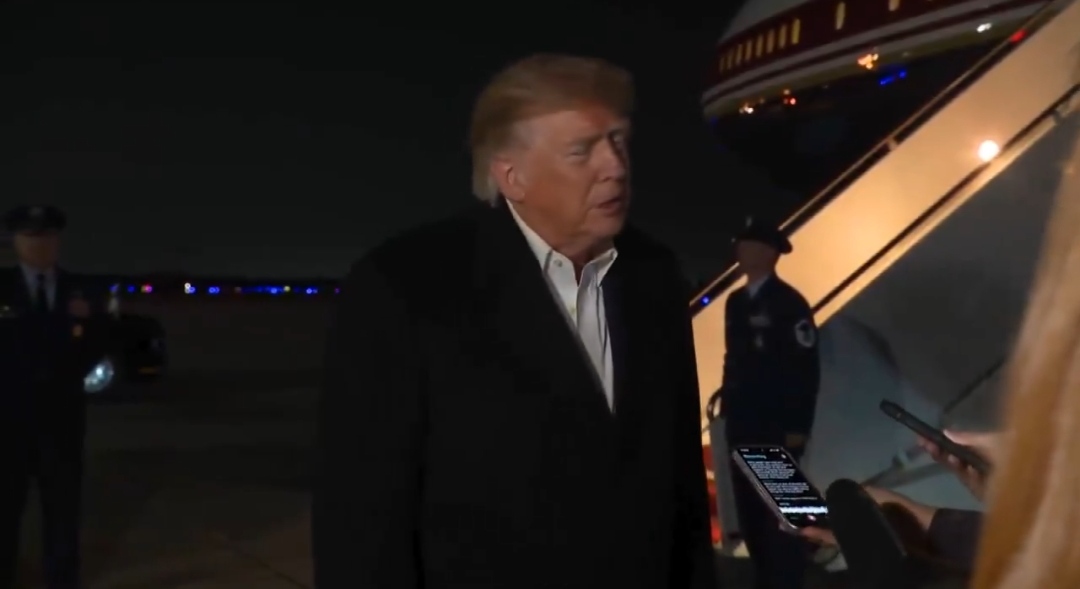
US President Donald Trump has distanced himself from defeated Brazilian presidential candidate Flávio Bolsonaro, saying he did not endorse either candidate in Brazil’s presidential election. Speaking to reporters on October 28, 2026, Trump said he had chosen to stay out of the contest. His remarks came three days after incumbent President Luiz Inácio Lula da Silva defeated Flávio Bolsonaro in the October 25 runoff election. Trump also criticised the way the election was conducted, although he did not provide evidence to support his objections.
1. Who Won Brazil’s 2026 Presidential Election?
Brazil’s electoral authority declared Lula the winner of the presidential runoff, securing his re-election for a fourth, non-consecutive term. Official results showed Lula receiving 64,256,232 votes, representing 51.79% of valid ballots, while Flávio Bolsonaro received 59,826,041 votes, or 48.21%. The difference was approximately 4.43 million votes. Lula’s victory was announced on October 25, following a closely contested campaign that placed economic concerns, public security and Brazil’s political direction at the centre of the debate.
2. What Did Trump Say About the Brazilian Election?
Trump described the election as “very strange” and said the outcome was acceptable, but criticised the process that led to the result. He also stated that he knew both Lula and Flávio Bolsonaro, adding that he had not taken sides in the election. His comments appeared to distinguish his personal relationship with the Bolsonaro family from an official endorsement of Flávio’s presidential campaign. However, his criticism of the election process was not accompanied by publicly presented evidence demonstrating that the result was invalid.
3. Why Is Flávio Bolsonaro’s Defeat Significant?
Flávio Bolsonaro, a Brazilian senator and son of former president Jair Bolsonaro, was defeated after a competitive presidential runoff. His loss means Lula will continue leading Brazil for another term, with his inauguration scheduled for January 5, 2027. The result also carries wider regional significance because the election took place amid political divisions between left-wing and right-wing movements across Latin America. Flávio and his political allies raised objections to aspects of the voting process, while Brazil’s electoral authority confirmed Lula’s victory.
4. What Happens Next After Trump’s Statement?
Trump’s remarks have drawn attention because of his past support for Jair Bolsonaro and his administration’s involvement in relations with Brazil. By saying he did not endorse Flávio, Trump presented himself as having stayed out of the presidential contest, while continuing to question aspects of the election. The result, however, has been officially declared by Brazil’s electoral authority, and election observers reported no irregularities that would undermine the outcome. The immediate focus now shifts to Lula’s preparations for his next term and the political consequences of the close election for Brazil’s domestic and international relations.